Document Collection:
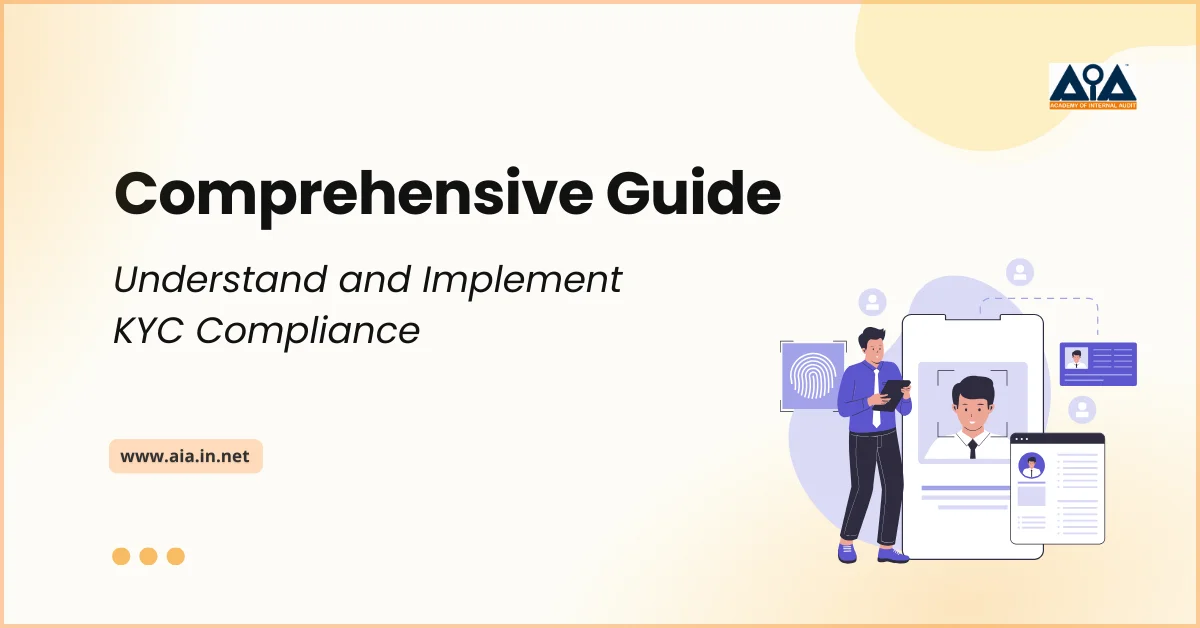
Gathering the paperwork required to prove the customer's identification is the first step in the KYC process. This could include bank statements, identification issued by the government, and evidence of address. Digital platforms can streamline this process by allowing customers to upload documents securely.
Verification Processes:
Employ robust verification processes to confirm the authenticity of the submitted documents. This may involve automated identity verification tools, biometric authentication, and cross-referencing information with reputable databases.
Risk Assessment:
Conduct a thorough risk assessment by evaluating the customer's profile, transaction history, and other relevant factors. This step helps in categorizing customers based on risk levels, allowing organizations to allocate resources effectively for enhanced monitoring.
Ongoing Monitoring:
KYC compliance is not a one-time process; it requires ongoing monitoring of customer activities. Automated systems can flag unusual transactions or changes in customer behaviour, prompting further investigation when necessary.
Employee Training:
Ensure that employees are well-trained in KYC procedures and are aware of the importance of compliance. Regular training sessions can keep staff informed about the latest regulatory updates and best practices in the field.
Data Security:
Safeguard customer information by implementing robust data security measures. Encryption, secure storage, and access controls are essential to protect sensitive data from unauthorized access.